Guides
What the numbers on the box mean, which of them matter where you live, and what the machine will cost you after you have bought it. Every figure here comes from physics, a published standard, or the same 25-machine catalogue the finder ranks.
Air purifiers
Smog, dust, allergens and the smell of a new flat.
How to choose an air purifier: the decision in orderSmog, dust, allergens or formaldehyde? Size, filter cost and noise decide the rest. The whole air purifier decision, in the right order.
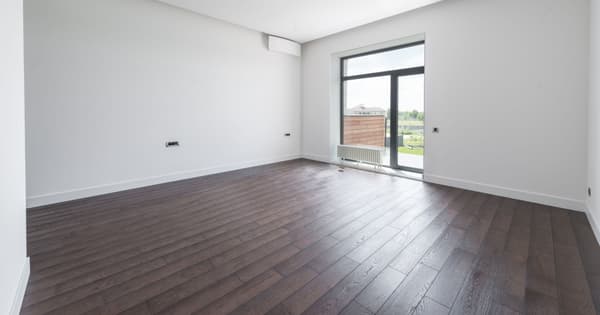
Understanding CADR and room size: the sizing maths, shownCADR is measured on the loudest setting, per pollutant. Here is the air-changes arithmetic that turns it into a room size you can trust.
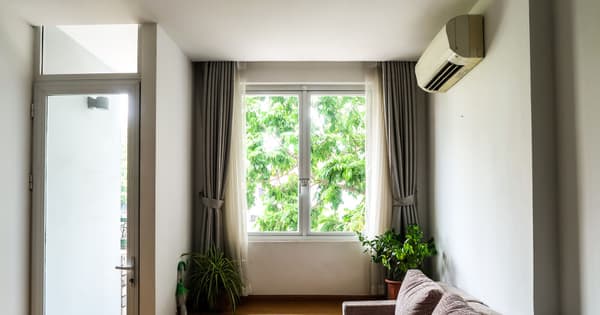
Where to put an air purifier — and how to live with itA purifier in a corner behind the sofa does a fraction of its job. Clearance, closed doors, bedroom versus living room, and sleep-mode noise.
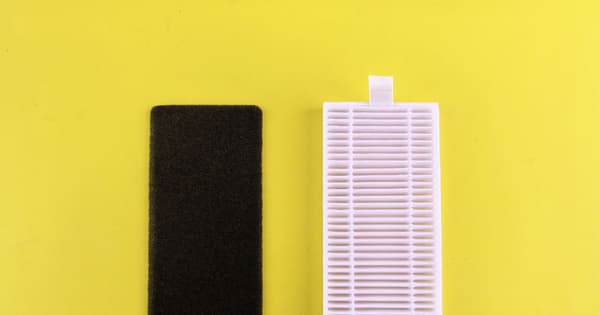
HEPA grades explained: what H13, H14 and 0.3 microns really meanHEPA is rated at its worst particle size, not its best. What H13 and H14 mean, why a sealed path matters, and what the grade labels hide.
Formaldehyde and VOC removal: what a purifier can and cannot doFormaldehyde is a gas, so HEPA does nothing for it. What activated carbon does, why it saturates, and why this matters far more in China.
Air purifier running costs: the number nobody checksFilters, electricity and three-year totals. Why the cheapest air purifier on the shelf is often not the cheapest one to own.
Water purifiers
What is actually in your supply, and what it takes to remove it.
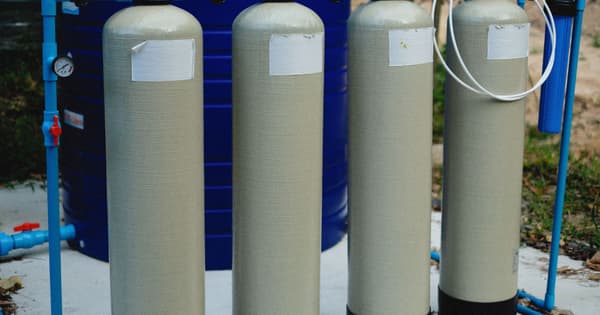
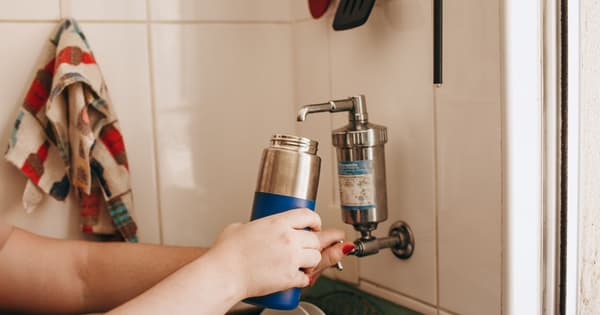
How to choose a water purifier: test first, then buyTest your water before you buy. What TDS, hardness and your household size mean for RO, tank size, flow rate and what the machine costs to run.
Do you actually need reverse osmosis?RO removes dissolved solids that nothing else in a home machine touches. Here is when that genuinely matters, when it does not, and what it costs.
Understanding TDS and hard water: what the meter tells youWhat a TDS meter really measures, what it cannot see, the BIS and WHO reference points, and why very low TDS water tastes flat.
What a water purifier really costs to runRO upkeep is a large share of what you spend. Service intervals, AMC versus buying filters, electricity, reject water, and three-year totals.
Storage tanks and flow rates: two countries, two machinesIndian purifiers store 7–18 L; six of the seven Chinese rows are tankless at 90–160 L/h. Why the infrastructure differs, and what 800G means.